Listeners:
Top listeners:
00:00
00:00
volume_up
chevron_left
-
play_arrow
Vibrant Radio
-
 play_arrow
Summer Festival Podcast Robot Heart

📅 WEEK 2 — The Windrush Generation: The Foundation of Modern Britain
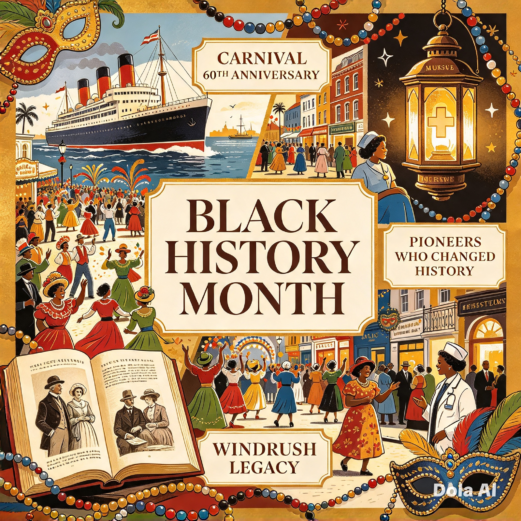
Factual Theme: The People Who Built Our Nation
📚 Introduction
Beyond Carnival lies the deeper story of the people who made it possible — the Windrush Generation. This week, we explore the facts, contributions, and legacy of the men and women who travelled from Caribbean nations to Britain after the Second World War, shaping the country we know today. Their courage, resilience, and quiet dignity in the face of hardship deserve to be remembered — and told.
📌 Key Facts
- Arrival: Between 1948 and 1971, around 500,000 people moved from Caribbean territories to the UK. The first ship, the Empire Windrush, arrived at Tilbury Docks on 22 June 1948 — now celebrated annually as Windrush Day.
- Why they came: Britain invited them to help rebuild the nation after the war, fill labour shortages, and work in essential public services — transport, health, education, manufacturing, and the Post Office.
- Where they settled: Mainly in London, Birmingham, Bristol, Manchester, and Leeds — creating vibrant, lasting communities across the UK.
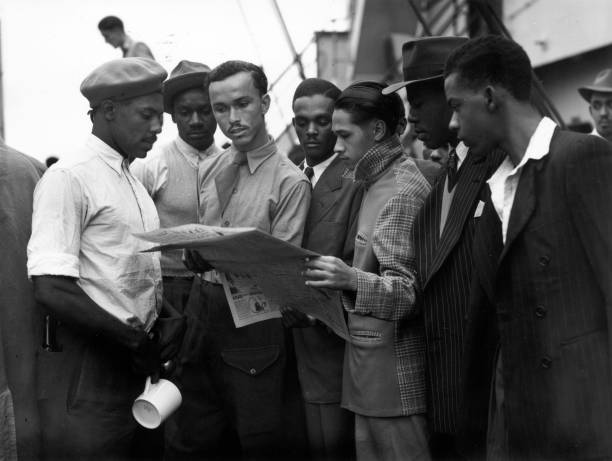
22nd June 1948: Newly arrived Jamaican immigrants on board the ‘Empire Windrush’ at Tilbury Docks.
🏠 “No Blacks, No Irish, No Dogs” — The Hard Reality They Faced
Though invited to Britain with promises of a better life and steady work, the welcome that greeted them was often cruel and exclusionary. When they went looking for somewhere to rent a home, time and again they would stand before a house with a sign clearly displayed in the front window:
“No Black, No Irish, No Dogs”
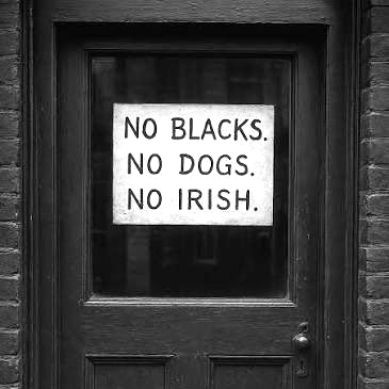
This was not an exaggeration — it was the harsh, everyday reality. My father and his generation remember this well. They recall walking down street after street, seeing those words repeated again and again. They were invited to come and help rebuild the country — yet when they looked for a roof over their heads, they were told they were not wanted. Rejected by landlords, forced into overcrowded housing, charged higher rents, or turned away at the door simply because of where they were from.
Those words — pinned to ordinary windows on ordinary streets — told them plainly: you may work here, but you are not welcome here. You may help build this nation, but you will not be allowed to call it home.
It was an insult written in plain sight. A message that their labour was needed — but their presence was not. Yet even in the face of such rejection, they did not turn back. They supported one another, found space in one another’s homes, built communities where they could belong, and slowly — bravely — made a place for themselves and their families.
🏗️ Their Contribution to Britain
The Windrush generation did far more than fill jobs — they transformed Britain forever: 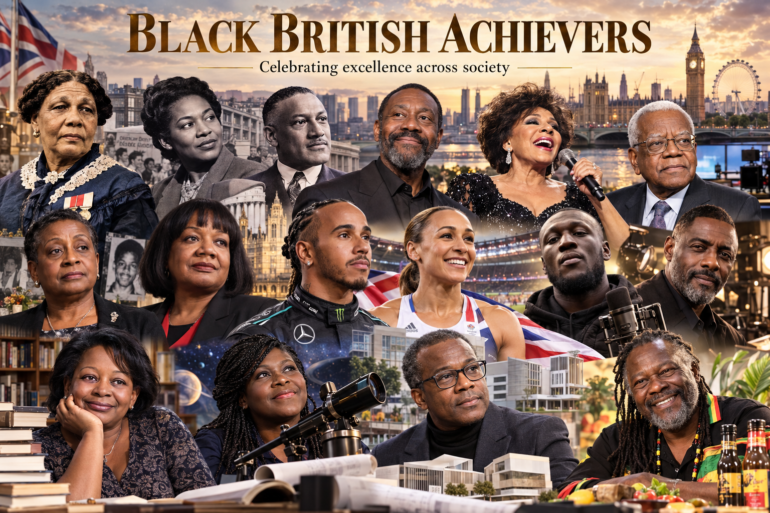
- Public Services: Thousands worked in the NHS, London Transport, and British Rail — keeping the country running. Many became nurses, doctors, teachers, and civil servants. They showed up early, worked hard, and served with pride — even when the signs in the windows said they did not belong.
- Culture & Society: They brought music, literature, food, religion, and political ideas that reshaped British life. Carnival, Notting Hill’s street culture, and Black British literature all grew from these communities — born partly from the need to create joy and pride where others had tried to shut them out.
- Law & Rights: They stood against discrimination and fought for fairer laws — laying the groundwork for the Race Relations Acts and modern equality protections. Those signs in the windows were one reason they organised, protested, and demanded change — so that one day, no one would ever have to see such words again.
- Family & Community: Locked out of so many neighbourhoods, they built their own churches, social clubs, and mutual aid networks. They turned exclusion into connection — creating spaces where they were welcomed, valued, and at home. These networks remain the backbone of Black British community life today.
✊ Legacy & Lessons
- They helped build modern Britain — yet for years, their story was left out of history books.
- They faced hardship with dignity. Refused housing, they built communities. Told they did not belong, they stayed and made this nation theirs.
- Their children and grandchildren have excelled in every field — politics, arts, business, sports, science — standing on the foundation they laid. Every achievement we celebrate today began with them — walking past those signs, refusing to be turned away, and building a better future anyway.
Fact to remember: The Windrush generation didn’t just come to Britain — they helped make Britain. Every time you enjoy Carnival, listen to Black British music, or walk through a thriving diverse community — you are seeing their legacy. And every time you see injustice and speak up — you are continuing their fight.
🖤 Closing
This week, take a moment to picture those windows. Imagine seeing those words, day after day — and still choosing to stay, to work, to build, and to love this country. My father and his generation remember those signs well. But what they remember even better is this: they outlasted the hate. They outlived the exclusion. And today, their contribution is woven into the very soul of Britain.
Their story is British Black history — and it belongs to all of us.
Top popular

Breaking: Top Pop Star’s Surprise Album Release Sends Fans into Frenzy
Chart-Toppers Unite: Pop Music’s Biggest Collaborations of the Year
Behind the Scenes: Pop Music’s Hottest Producers and Songwriters

The Rise of K-Pop: How Korean Music Continues to Dominate the Global Scene

Welcome to “Queen of the Stage” – Your Ultimate Blog for Spice

Post comments (0)