Listeners:
Top listeners:
00:00
00:00
volume_up
chevron_left
-
play_arrow
Vibrant Radio
-
 play_arrow
Summer Festival Podcast Robot Heart
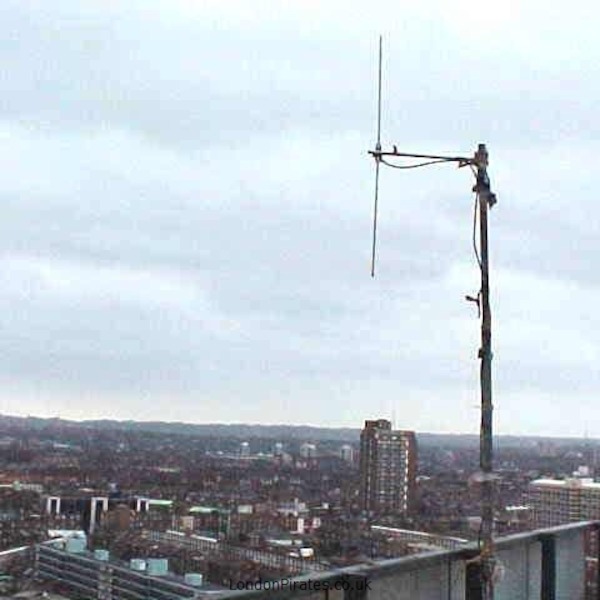
THEY COULD TAKE THE GEAR — NEVER THE SPIRIT
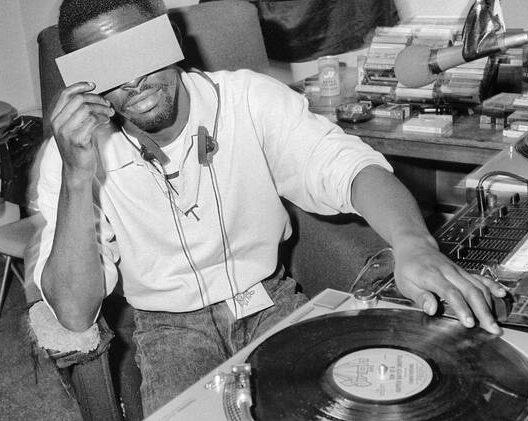
Pirate Radio: The Sound That Built British Music
The DNA of a Nation’s Sound
If you trace the DNA of every sound and DJ that shaped modern British music — reggae, soul, acid house, jungle, garage, grime — it leads straight back to pirate radio. This isn’t just history I’ve read. It’s history I lived. I was there when the signal went up, and I was there when they tried to pull it down.
The Sound No One Else Would Play
For decades, mainstream radio told us what we were allowed to hear. Pirate radio gave us what we needed to hear.
It began offshore — most famously with Radio Caroline, the station that showed the world what radio could be. From that first broadcast in 1964, anchored out at sea beyond the reach of the law, Caroline proved that the people hungered for music the BBC wouldn’t touch. It wasn’t just a station; it was a revolution on the airwaves, and it lit the torch that would be passed from ship to shore, from generation to generation, hence the term Pirate Radio
When the offshore era faded, the spirit didn’t die — it moved in. By the 1980s, pirate radio exploded across London and the UK like never before. The signal migrated from North Sea vessels to tower-block rooftops, from coastal waters to council estate chimneys. The FM band came alive: Dread Broadcasting Corporation (DBC) — the nation’s first Black-run station — gave reggae, soca and African music a home. LWR, Horizon, Solar, JFM, Kiss FM — they filled the dial with soul, jazz-funk, hip-hop and lovers rock that official broadcasting simply ignored. By the end of the decade, as acid house and rave ignited, stations like Sunrise, Centreforce and Fantasy FM turned the airwaves into a seven-day party — the sound of a generation finding its own voice.
From the offshore rebels to the tower-block studios right here in London, we filled the gap that official broadcasting left wide open. We played the demos, the local talent, the rhythms that spoke to our streets — and nowhere else was going to give them a voice

“From the North Sea to the tower blocks — the signal moved, but the spirit stayed. Radio Caroline laid the path; the 1980s generation carried it forward.”
The DTI at the Door
We knew the risks. Everyone who ran a pirate station did. You’d see the unmarked vans parked down the road. You’d hear the knock at the door. The DTI officers would climb the roof, pull down the aerial, seize the transmitter, pack up the gear — and leave thinking they’d quieted us down.
They didn’t know us.
They’d walk away with their haul — and we’d reach for the spares. Aerial in storage. Transmitter ready to go. Backup mixer, backup cables, backup mics — duplicates of absolutely everything. Hours later, sometimes sooner, we were back on the same frequency. Same show. Same sound.
There’s a track that says it better than I ever could — “Pirates Anthem” by Home T, Cocoa T & Shabba Ranks. It wasn’t just a song to us; it was our soundtrack, our motto, our truth:
“DTI try stop us, but they can’t… Them a take the equipment and put it in a van… If them break down one, we make five more strong…”
That was us, word for word. They’d take one transmitter — we had five ready. They’d pull one aerial — another went up that same day. The song didn’t lie. We didn’t just survive the raids — we got better at bouncing back because of them. Every time they took gear, we doubled up on spares. Every time they silenced a frequency, we came back louder.
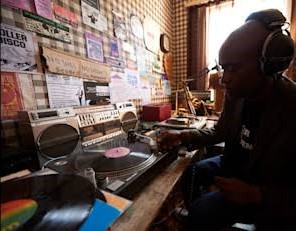
“Spare everything. That was the rule. They could take one — we had five more ready to go. The anthem didn’t lie.”
The Audience Made Us Stronger
We didn’t carry spares just to be stubborn. We did it because you expected us there.
When people tune in week after week, when they set their clocks by your show, when that frequency is the heartbeat of their nights and weekends — you don’t just vanish. That loyalty, that trust, that expectation — it turned us from a bunch of music lovers into something organised. We learned to plan ahead. We had backup locations. We doubled up on every piece of kit. We turned running from the authorities into a system — all because the audience was counting on us.
They tried to disrupt us. Instead, they made us efficient. Every raid taught us to be smarter, quicker, better prepared. They pushed us to be the most reliable station on the dial — not in spite of the pressure, but because of it.
“You set your clocks by us. We didn’t let you down. The audience didn’t just listen — they kept us on air.”
DJ Keithley — “Beat Those Breakfast Bowls!”
No one embodied that spirit more than our dear friend DJ Keithley of Station FM. We lost him recently, and he deserves to be remembered not just as a DJ, but as a legend who touched lives right here on our doorsteps — especially the young ones, and especially those of us just starting out.
Keithley got caught again and again. The DTI knew his name. They knew his signal. More than once it looked like prison was a real possibility — the authorities were ready to make an example of him. But in that courtroom, something beautiful happened. A lady in her fifties — just a listener, someone who’d never been on air, never run a station — stepped forward as his character witness.
She didn’t talk about transmitters or licences. She told the court what his breakfast shows meant. How kids would tune in before school, how he’d give away prizes, send gifts out to them, encourage them, cheer them on — almost mentor them through the airwaves. He wasn’t just playing music; he was lifting them up, making them feel seen, giving them something positive to start their day with. And then she said what everyone knows — his signature line, the one that became a motto for a whole generation:
“Beat those breakfast bowls!” 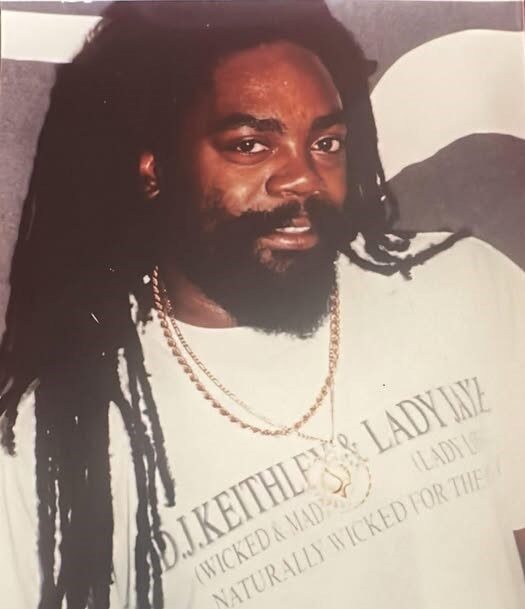
Simple words — but they meant so much. Get up. Eat well. Step out the door and do your best. He’d shout it every morning, and kids across the borough took it to heart.
The court listened. He didn’t go to prison. The community saved him — one ordinary listener who knew his worth. After that, he became more than a DJ; he was a cult figure, beloved, untouchable in the hearts of everyone who woke up to his voice.
And he did more than just host a show — he opened doors for countless up-and-coming DJs, including me, giving me the drive-time show — a real honour, as he always praised my professionalism. He gave us slots when no one else would. He trusted us with the decks, shared his knowledge, and made space for fresh voices. He championed local artists too — spinning their tracks, giving them a platform, and helping them be heard right alongside the established names. He didn’t just play the music — he grew the scene.
“‘Beat those breakfast bowls!’ — More than a catchphrase. A way of life.
DJ Keithley: mentor, friend, legend.
The Turnout That Told the Real Story
I was there at his nine night — and what I saw said more than any broadcast ever could. Those children who listened to him all those years ago? They’re grown now — young men and women, building lives, raising families of their own. And they turned out in their droves to honour him.
Over two thousand people came through those doors to pay their respects. One after another, I listened to their stories — about how his encouragement stayed with them, how his prizes made them feel special, how that steady, friendly voice was the first thing they heard and the best start to their day. They told stories about what he really meant to them — not just a DJ, but someone who believed in them when the world didn’t always look their way.
That’s the legacy. Not just a signal on a frequency, but a whole generation carrying his kindness forward — and a whole crew of DJs and artists who got their start because he handed them the mic. They didn’t forget. They grew up — and they came back to say thank you.
They Could Take the Gear — Never the Spirit
Some stations made the jump to legal status. Others stayed underground. But that resilience stayed with all of us — and it stayed with Keithley right to the end. They could confiscate equipment. They could dismantle aerials. But they couldn’t take what we stood for — and they couldn’t take the listeners who stood with us.
Radio Caroline never gave up, either. Through the 1980s, even after the Mi Amigo ran aground and sank in 1980, even when the authorities thought they’d finally silenced the offshore voice, Caroline returned — new ship, new frequency, same independent spirit. It stood as a reminder: once a sound is born that the people need, you can’t drown it.
Pirate radio wasn’t just about broadcasting without a licence. It was about building something that belonged to us. Something that reflected our communities, our music, our truth. And if you try to take it away? We build it again.
Remembering a Legend
DJ Keithley won’t be forgotten. Every time someone twists the dial looking for that breakfast show, every time a young person finds their voice through music that matters — he’s there. Every time I step up to the decks, I carry a piece of his belief with me. He showed us what we already knew: the law might judge you on paperwork, but your community judges you on what you give. And he gave everything — the prizes, the encouragement, the belief in young people, the chances he handed to new talent, and that famous call that still echoes:
“Beat those breakfast bowls!”
The Legacy
That’s the real story — not just the stations, not just the tunes, but the people who kept putting it back up, again and again, because the airwaves should belong to everyone. From the decks of the Mi Amigo to the tower-block studios, from the 1960s offshore pioneers to the 1980s soul and reggae explosion, through acid house, jungle, garage and grime — one truth runs clear through every era: the sound the people need will always find a way to be heard.
They called it illegal. We called it essential. And they never worked out — you can’t keep a sound down when the people need to hear it.
Share Your Memories
Did you wake up to DJ Keithley?
Did you tune into Caroline through the 80s?
Did you catch LWR, Kiss, DBC, Deja Vu, Supreme, PCRL or any of the stations that lit up the dial?
Were you there at his nine night?
Leave your stories below. Let’s keep their voices and their spirit right where they belong — on air and in our hearts.
Similar posts
-

New World Music
music sounds without borders
close Top popular
Breaking: Top Pop Star’s Surprise Album Release Sends Fans into Frenzy
Chart-Toppers Unite: Pop Music’s Biggest Collaborations of the Year
Behind the Scenes: Pop Music’s Hottest Producers and Songwriters
The Rise of K-Pop: How Korean Music Continues to Dominate the Global Scene

Welcome to “Queen of the Stage” – Your Ultimate Blog for Spice
Post comments (0)