Listeners:
Top listeners:
-
play_arrow
Vibrant Radio
-
 play_arrow
Summer Festival Podcast Robot Heart

The Fall and Rise of Vinyl Music
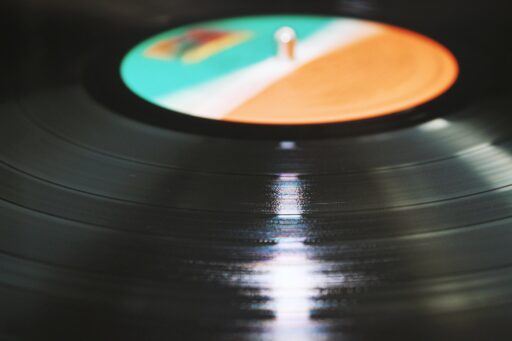
In an age where music is instantly accessible with a tap or a voice command, it may seem surprising that a century-old format like vinyl records is thriving once again. Once declared obsolete and nearly wiped out by digital innovation, vinyl has staged one of the most remarkable comebacks in modern culture. Its journey—from dominance to decline and back to relevance—reveals a deeper story about how we experience music.
The Golden Age of Vinyl
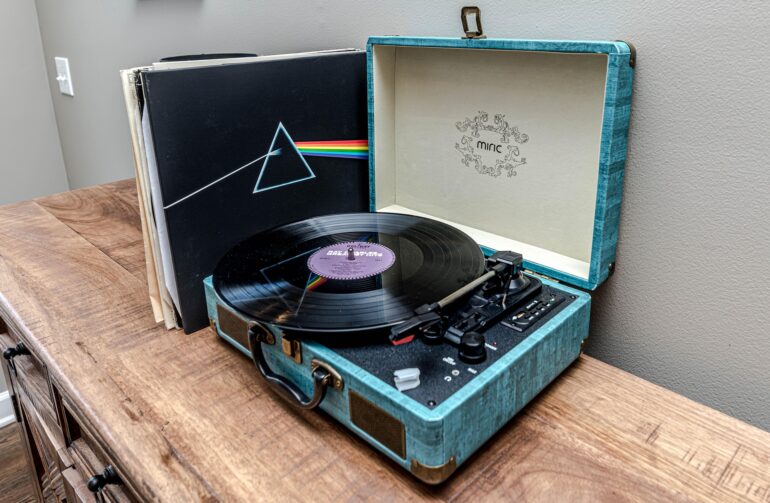
Vinyl records became the dominant format for music consumption in the mid-20th century. With the introduction of the long-playing (LP) record in the late 1940s, listeners could enjoy entire albums rather than just a few minutes of audio. This innovation transformed music from a collection of singles into a more immersive artistic experience.
Throughout the 1960s and 1970s, vinyl was at the heart of music culture. Record players were household staples, and album artwork became an art form in itself. Owning a record was not just about listening—it was about engaging with the music on a physical and emotional level. Flipping the record, carefully placing the needle, and sitting down to listen created a ritual that defined an era.
The Decline: Convenience Takes Over
The fall of vinyl began in the late 20th century as new technologies emerged. Cassette tapes introduced portability, allowing people to take their music on the go. Soon after, compact discs (CDs)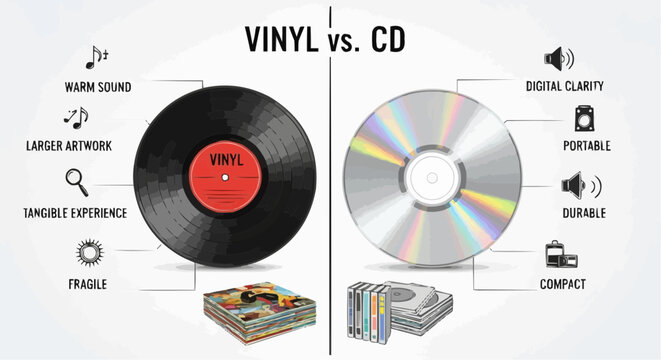 revolutionized the industry with their smaller size, durability, and ease of use. Listeners could skip tracks instantly, and the promise of “perfect” digital sound made CDs highly appealing.
By the late 1990s and early 2000s, digital music formats like MP3s and online file sharing accelerated vinyl’s decline. Music became more about convenience than experience. Entire libraries could now fit into a pocket-sized device, and eventually, streaming platforms made ownership almost irrelevant.
Vinyl sales plummeted, and many record stores closed their doors. For a time, vinyl survived only in niche communities—DJs, audiophiles, and dedicated collectors who refused to let go of the format.
The Unexpected Revival
Just when vinyl seemed destined for history books, it began to make a quiet comeback in the mid-2000s. What started as a niche resurgence gradually grew into a global trend.
Several factors contributed to this revival. Nostalgia played a significant role, as older listeners returned to the format they grew up with. At the same time, younger generations discovered vinyl for the first time, drawn to its authenticity and tactile nature.
Vinyl offered something digital formats could not: a tangible connection to music. The large-format artwork, the physical act of playing a record, and even the subtle imperfections in sound created a more intentional listening experience. In contrast to the endless shuffle of streaming, vinyl encouraged listeners to slow down and engage with an album from start to finish.
A Collector’s Perspective

My connection to vinyl goes far beyond casual listening. Over the years, I have built a collection of around 60,000 records—a personal archive that reflects decades of musical exploration, dedication, and passion.
Handling tens of thousands of records deepens your appreciation for the physicality of music. You become attuned to subtle differences in pressings, artwork variations, and sound quality. Over time, you begin to see vinyl not just as a format, but as a historical document—capturing moments in music exactly as they were originally experienced.
Maintaining such a vast collection also requires serious commitment. Storage, preservation, and cataloguing become essential disciplines. But these challenges are part of what makes vinyl collecting so rewarding: it demands care, attention, and respect for the medium.
The Role of the Record Shop
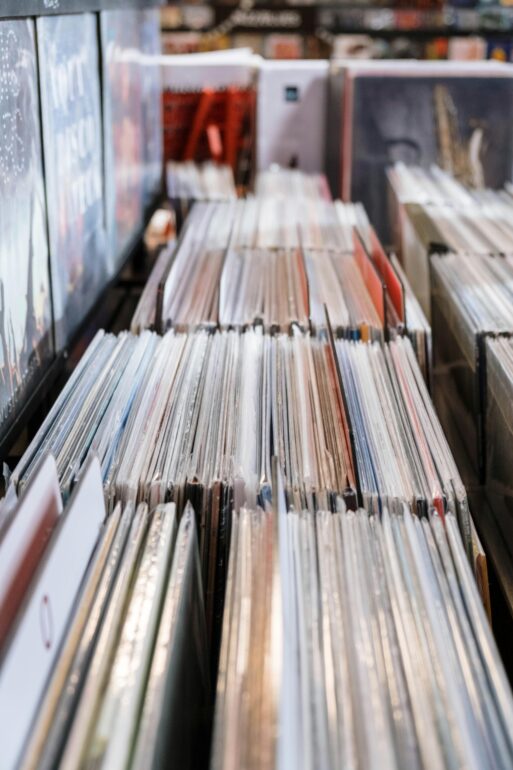
At the heart of vinyl culture—past and present—is the record shop. More than just retail spaces, record stores have long served as cultural hubs where music is discovered, discussed, and shared.
During vinyl’s golden age, record shops were essential gateways to new music. Knowledgeable staff, curated selections, and listening booths helped shape musical tastes and introduced listeners to artists they might never have encountered otherwise. These spaces fostered community, bringing together people united by a shared passion for sound.
The decline of vinyl hit record shops hard. As CDs and digital formats took over, many independent stores were forced to close, and with them, a vital part of music culture seemed to disappear.
Yet, like vinyl itself, record shops have experienced a resurgence. Today, independent stores are once again thriving, supported by a new generation of collectors and enthusiasts. They remain places of discovery—where algorithms are replaced by human recommendation, and where the act of crate digging still holds a sense of excitement and possibility. For collectors like myself, record shops have been central to building a collection of this scale. Countless hours spent searching through crates, talking with shop owners, and uncovering hidden gems have shaped not only the collection, but the journey behind it. The record shop is not just a place to buy music—it is where the culture lives.
The Culture of Vinyl DJs
Beyond home listening and collecting, vinyl has remained deeply embedded in club culture. Even during its commercial decline, DJs kept the format alive in dance music scenes around the world.
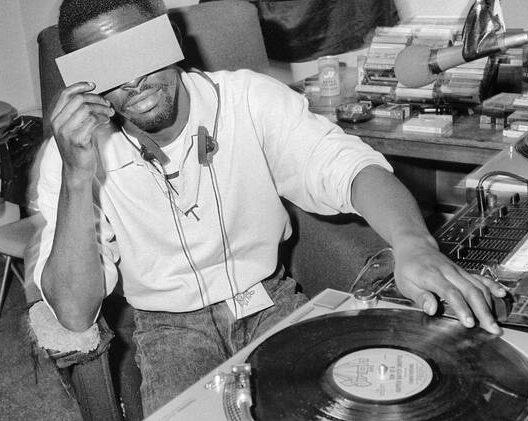
Today, there is a renewed appreciation for vinyl-only DJ sets. Specialist clubs, bars, and dedicated nights celebrate the craft of mixing records the traditional way—without digital shortcuts. These spaces emphasize skill, curation, and authenticity, where DJs physically handle records, beat-match by ear, and create a unique atmosphere that can’t be easily replicated with digital playlists.
For many, vinyl DJing represents a purer form of musical expression. The limitations of the format—carrying crates of records, working within what you’ve brought, and embracing imperfections—often lead to more creative and intentional performances. These events also foster a sense of community, attracting audiences who value the tactile and immersive nature of analogue sound.
Vinyl in the Digital Age
Today, vinyl occupies a unique space in the music ecosystem. It is no longer the dominant format, but it has become a symbol of music appreciation and cultural identity. Sales have steadily increased over the past decade, even surpassing CDs in some markets.
Artists now release special vinyl editions of their albums, often featuring exclusive artwork or coloured pressings. Independent record stores have seen a revival, and events celebrating vinyl culture continue to attract growing audiences.
Interestingly, vinyl’s success does not come at the expense of digital music. Instead, the two coexist. Streaming provides convenience and accessibility, while vinyl offers depth and experience. Together, they reflect the diverse ways people choose to engage with music today.
More Than a Comeback
The return of vinyl is not just about nostalgia or sound quality—it represents a broader cultural shift. In a fast-paced digital world, people are increasingly seeking meaningful, tangible experiences. Vinyl satisfies that desire by turning music into something you can see, touch, and truly appreciate.
Its fall was driven by the pursuit of convenience, but its rise is fuelled by a longing for connection. And in that sense, vinyl’s story is not just about a format—it’s about how we value music itself.
For collectors like myself, that connection runs deep. A collection of 60,000 records—spanning 12-inch albums, 7-inch singles, and even 10-inch pressings—is not just a number. It represents a lifetime of listening, searching, and preserving music history. And as vinyl continues its resurgence, it is clear that this format still has a powerful role to play in how we experience sound in an increasingly digital world.
Top popular

Breaking: Top Pop Star’s Surprise Album Release Sends Fans into Frenzy

Chart-Toppers Unite: Pop Music’s Biggest Collaborations of the Year
Behind the Scenes: Pop Music’s Hottest Producers and Songwriters

The Rise of K-Pop: How Korean Music Continues to Dominate the Global Scene

Beenie Man: King of the Dancehall or Not?
Post comments (0)