Listeners:
Top listeners:
-
play_arrow
Vibrant Radio
-
 play_arrow
Summer Festival Podcast Robot Heart

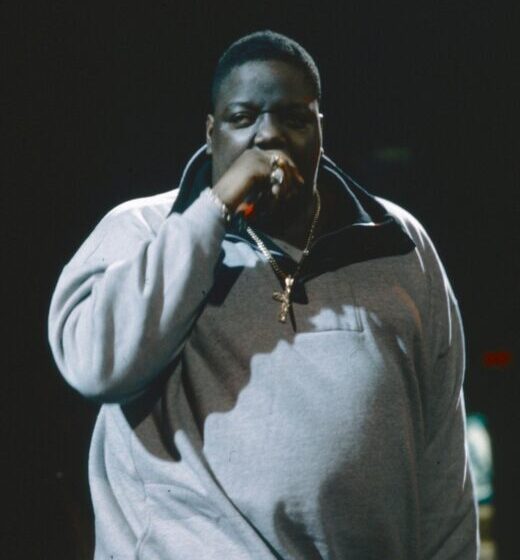
Portrait of a Legend: The Enduring Legacy of Notorious B.I.G.
Introduction
Few artists have left a mark on hip-hop as deep and lasting as Christopher Wallace, better known to the world as Notorious B.I.G. His voice was unmistakable, his storytelling unmatched, and his influence continues to shape music decades after his death. More than just a rapper, Biggie became a symbol of ambition, resilience, and lyrical genius. His life story — rising from the streets of Brooklyn to global superstardom — remains one of the most compelling narratives in music history.
This portrait of a legend explores the life, artistry, struggles, and legacy of one of hip-hop’s greatest icons.
Brooklyn Beginnings
Christopher George Latore Wallace was born on May 21, 1972, in Brooklyn, New York. Raised by his Jamaican mother, Voletta Wallace, Biggie grew up in the Bedford-Stuyvesant neighborhood during a difficult era marked by poverty, violence, and the crack epidemic.
Despite being a gifted student with natural intelligence and charisma, Wallace became involved in street life at a young age. The environment around him influenced not only his experiences but also the vivid realism that later defined his music.
Brooklyn became more than just his hometown — it became part of his identity. Through his lyrics, Biggie painted cinematic images of urban survival, ambition, and hardship, giving listeners an authentic glimpse into life in New York City during the 1980s and 1990s.
The Rise of Biggie Smalls
Biggie’s talent first gained attention through underground demo tapes that circulated across New York. His sharp wordplay, smooth flow, and commanding presence immediately stood out. Soon, Sean “Puffy” Combs signed him to Bad Boy Records, launching a partnership that would change hip-hop forever.
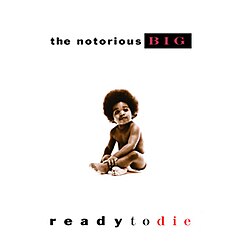
In 1994, Notorious B.I.G. released his debut album, Ready to Die. The album became an instant classic and introduced the world to a rapper capable of balancing raw street narratives with mainstream appeal.
Tracks like “Juicy,” “Big Poppa,” and “Warning” showcased his versatility. He could tell detailed stories, deliver hard-hitting verses, and create radio-friendly hits without sacrificing authenticity.
What separated Biggie from many artists of his time was his ability to transform personal experiences into universal storytelling. His lyrics were cinematic, emotional, humorous, and brutally honest all at once.
The Art of Storytelling
Notorious B.I.G. is widely regarded as one of the greatest storytellers in hip-hop history. His music felt alive because every line carried detail, rhythm, and personality.
Songs like “Everyday Struggle” captured the emotional toll of survival in the streets, while “Suicidal Thoughts” revealed vulnerability rarely explored in rap during that era. He was able to shift seamlessly between confidence and introspection.
Biggie’s storytelling worked because it felt real. He didn’t romanticize struggle; he described it with clarity and honesty. His narratives included fear, ambition, temptation, and regret, making his music relatable far beyond the world he came from.
His flow also played a major role in his greatness. Biggie could effortlessly ride any beat with precision and charisma. His delivery sounded conversational yet technically flawless, influencing generations of rappers who followed.
East Coast vs. West Coast
As Biggie’s fame grew, so did tensions within the hip-hop industry. The rivalry between East Coast and West Coast rap became one of the most controversial periods in music history.
Although media narratives often exaggerated conflicts, the feud between Bad Boy Records and Death Row Records intensified public attention. At the center were Notorious B.I.G. and Tupac Shakur — two immensely talented artists whose relationship deteriorated amid accusations, competition, and industry politics.
The rivalry dominated headlines and fueled division among fans. Tragically, both artists would lose their lives before reaching their full potential.
Despite the conflict, many fans and historians believe Biggie and Tupac shared more similarities than differences. Both were gifted storytellers who transformed hip-hop into a powerful cultural force.
Life After Death
On March 9, 1997, Notorious B.I.G. was fatally shot in Los Angeles at only 24 years old. His death shocked the music world and remains unsolved.
Just weeks later, his second album, Life After Death, was released. The project became one of the most celebrated hip-hop albums ever made.
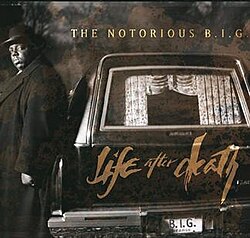
The album demonstrated Biggie’s artistic growth and versatility. Songs like “Hypnotize,” “Mo Money Mo Problems,” and “Sky’s the Limit” showcased his mainstream appeal, while tracks such as “Niggas Bleed” and “Ten Crack Commandments” highlighted his lyrical mastery.
Life After Death solidified his status as a legend. Even after his passing, Biggie’s voice continued to dominate radio stations, influence artists, and shape the future of rap music.
Cultural Impact and Influence
Notorious B.I.G.’s influence extends far beyond music.
His style, confidence, and larger-than-life personality helped redefine what a rap superstar could be. He proved that lyrical complexity and commercial success could coexist.
Artists across generations — from Jay-Z and Nas to Kendrick Lamar and J. Cole — have acknowledged Biggie’s influence on their artistry. His storytelling techniques, flow patterns, and cadence remain foundational elements in modern hip-hop.
Beyond music, Biggie became a symbol of aspiration. His journey represented the possibility of escaping difficult circumstances through talent and determination.
Documentaries, films, murals, fashion tributes, and countless references in popular culture continue to celebrate his legacy. His image remains instantly recognizable around the world.
The Human Side of a Legend
Behind the fame and success was a young man navigating pressure, fatherhood, relationships, and sudden celebrity.
Friends and collaborators often described Biggie as funny, intelligent, and deeply charismatic. His interviews revealed a thoughtful individual who understood both the rewards and consequences of fame.
This human complexity is part of what makes his legacy so enduring. Biggie wasn’t simply a rap icon — he was a storyteller shaped by real experiences, dreams, mistakes, and ambitions.
His music continues to resonate because listeners can hear the authenticity in every verse.
Why Biggie Still Matters Today
More than two decades after his death, Notorious B.I.G. remains one of the defining voices in hip-hop.
His music still sounds fresh because it was built on timeless storytelling rather than trends. New generations continue to discover his catalog and recognize the skill that made him legendary.
Biggie’s story also serves as a reflection of broader themes in American culture: ambition, inequality, survival, fame, and the pursuit of success.
In many ways, his legacy represents both the brilliance and tragedy of hip-hop’s golden era.
Conclusion
Notorious B.I.G. transformed pain, ambition, and lived experience into art that continues to inspire millions. His voice carried the sound of Brooklyn streets while his talent elevated hip-hop to new artistic heights.
Though his life was cut tragically short, his influence remains immortal. Every generation of rap artists still feels the impact of his storytelling, delivery, and authenticity.
A true portrait of a legend is not defined only by fame, but by lasting influence. In that sense, Notorious B.I.G. remains larger than life — an icon whose words continue to echo through music history.
-
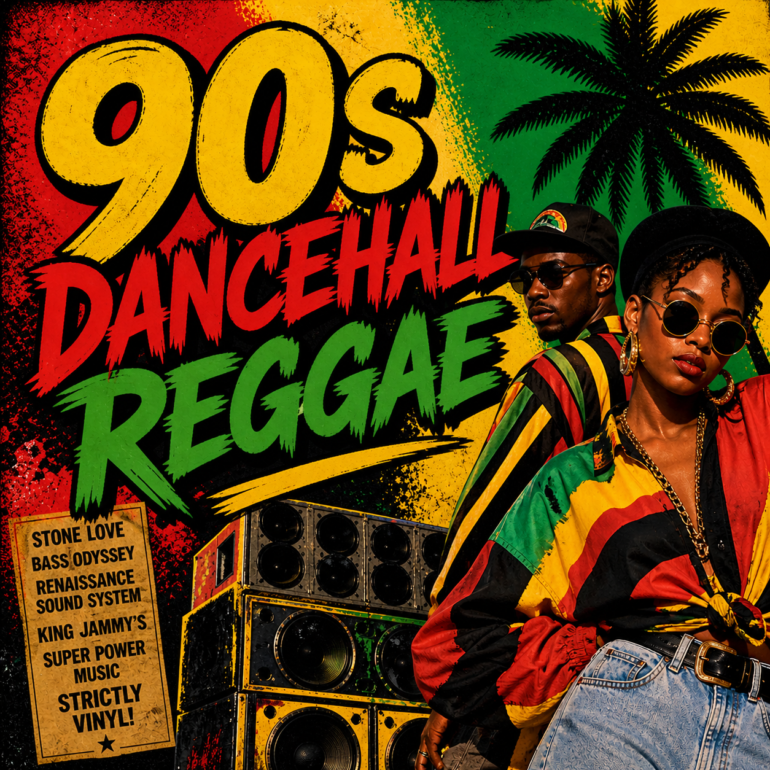
90s Dancehall Reggae
classic 90s Dancehall/Reggae. Artist like Buju Banton, Shabba Ranks, Beres Hammond, Patra, Super Cat and more. Best of the 90s!!!
close Top popular

Breaking: Top Pop Star’s Surprise Album Release Sends Fans into Frenzy
Chart-Toppers Unite: Pop Music’s Biggest Collaborations of the Year
Behind the Scenes: Pop Music’s Hottest Producers and Songwriters

The Rise of K-Pop: How Korean Music Continues to Dominate the Global Scene

Welcome to “Queen of the Stage” – Your Ultimate Blog for Spice
Post comments (0)