Listeners:
Top listeners:
00:00
00:00
volume_up
chevron_left
-
play_arrow
Vibrant Radio
-
 play_arrow
Summer Festival Podcast Robot Heart
-
 play_arrow
Electronic Trends Podcast Aaron Mills
Portrait of a Legend: Farley “Jackmaster” Funk
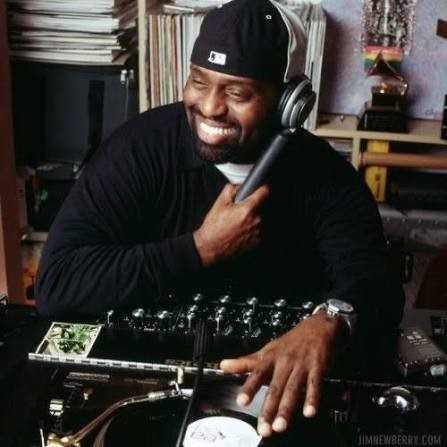
The Man Who Took Chicago House to the World
When people talk about the origins of house music, certain names come up again and again: Frankie Knuckles, Ron Hardy, Steve “Silk” Hurley, Larry Heard, and Farley “Jackmaster” Funk. If Frankie Knuckles was the “Godfather of House” and Ron Hardy its underground renegade, Farley “Jackmaster” Funk was the artist who took that raw, revolutionary sound from Chicago’s clubs and radio airwaves and blasted it across the world.
As a founding member of the legendary Hot Mix 5, the producer behind one of house music’s first international hits, and a DJ whose career stretches back to the early 1980s, Farley is far more than a footnote in dance music history. He is one of the architects of the modern club sound — and an artist whose influence has long since earned him a place in the Rock and Roll Hall of Fame alongside the pioneers who redefined popular music.
From Chicago Radio to Global Dancefloors
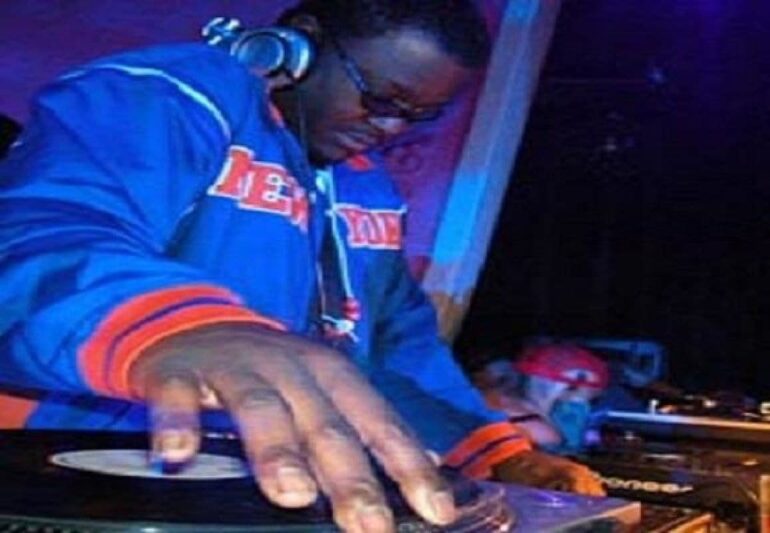
Born Farley Keith Williams on January 25, 1962, Farley grew up in Chicago at a moment when the city’s nightlife was beginning to redefine Black music, dance culture, and electronic sound. In 1981, he became one of the original five members of the Hot Mix 5, a DJ collective assembled by Chicago radio station WBMX-FM. Alongside Kenny “Jammin” Jason, Mickey “Mixin” Oliver, Scott “Smokin” Silz, and Ralphi “Rockin” Rosario, Farley helped turn late-night radio into a citywide party.
At the time, he was known as Farley Funkin’ Keith, and his mixes were explosive. He didn’t just play records — he wove together disco, soul, funk, European imports, and the first rumblings of what would become house music into continuous, high-energy journeys. For many young Chicagoans in the early 1980s, the Hot Mix 5 wasn’t just a radio show; it was the soundtrack to a cultural awakening.
Farley also became a central figure in Chicago’s club scene. He played guest sets at the Warehouse, the venue where Frankie Knuckles helped pioneer the sound that would later be called “house,” and held down a long-running residency at The Playground on the city’s South Side. While the Warehouse shaped house music’s identity, The Playground helped spread its energy to a younger, hungrier audience. Farley became that audience’s champion.
“Love Can’t Turn Around”: The Record That Made House Go Global
If there’s one track that secured Farley “Jackmaster” Funk’s place in dance music history, it’s “Love Can’t Turn Around.” Released in 1986, the record didn’t just become a club hit — it became the first house music single to reach the national UK charts, peaking at No. 10 and introducing millions of listeners to the sound of Chicago house.
The track’s origins are a perfect example of how early house music was built on collaboration, reinterpretation, and studio experimentation. Farley’s roommate and fellow Chicago house pioneer Steve “Silk” Hurley had created a deep, hypnotic groove based on Isaac Hayes’ song “I Can’t Turn Around.” Farley took that groove, rewrote the lyrics, re-titled it “Love Can’t Turn Around,” and brought in gospel singer Darryl Pandy to deliver a vocal performance that was equal parts soulful, powerful, and unforgettable.
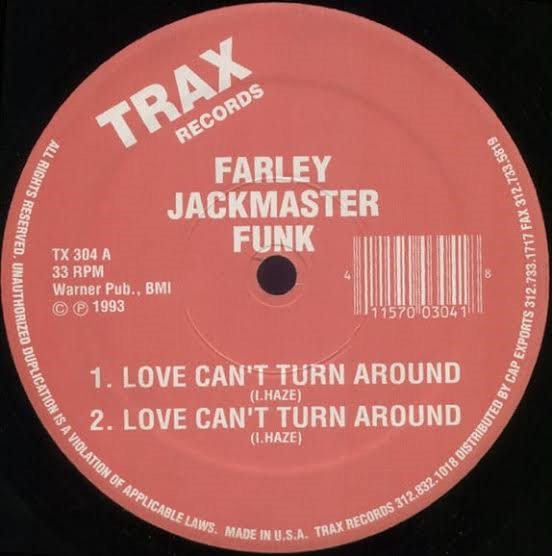
The result was a record that felt both spiritual and physical. Pandy’s voice soared over a stripped-back but propulsive rhythm, creating something that was at once raw, emotional, and entirely new. When Pandy performed the track live on Top of the Pops, Chicago house music didn’t just enter the UK charts — it entered the global consciousness.
Farley followed that success with “House Nation,” released under the name The Housemaster Boyz & The Rude Boy of House. It also stormed the UK Top 10, proving that “Love Can’t Turn Around” was no fluke. In just a few short years, Farley had gone from a Chicago radio DJ to one of the most recognizable faces of the house music revolution.
The Sound of Jacking: Raw Drums, Big Energy, Chicago Soul
Farley’s production style was never subtle. He made music for the dancefloor first, and his tracks often leaned into tough, rhythmic drum patterns, simple but effective vocal hooks, and an unshakable sense of groove. He helped pioneer what became known as the “beat track” — a style of house music built almost entirely around drums, percussion, and minimal vocal samples.
Tracks like “Funkin’ with the Drums” from 1984/1985 became blueprints for countless producers who followed. They proved that house music didn’t always need complex melodies or expensive studio production to move a crowd. Sometimes, all it took was a hard-hitting drum machine, a creative ear for sampling, and the courage to let the rhythm breathe.
Farley also helped define the jacking sound that became synonymous with early Chicago house. His track “Jack the Bass” from 1985 captured the physical, rhythmic energy of the dance movement that was taking over Chicago’s clubs. “Jacking” wasn’t just a style of dancing — it was a way of surrendering to the music, letting the bass and drums move through you. Farley’s tracks provided the soundtrack.
Over the years, he released music under a range of aliases, including Farley Funkin’ Keith, Rude Boy Farley Keith, The Housemaster Boyz, Jackmaster Dick, and others. What tied them all together was a commitment to unfiltered Chicago house: raw, soulful, rhythmic, and designed to make people move.
Faith, Evolution, and the Long Game
Farley’s story doesn’t end with the 1980s. Like many of house music’s pioneers, he continued to evolve as an artist and as a person. In the early 1990s, he began a deeply personal journey into faith, eventually earning a doctorate in Ministry and Biblical Theology and becoming an ordained minister.
For Farley, this wasn’t a rejection of house music — it was an extension of it. He saw music and faith as twin forces capable of lifting people up, bringing communities together, and creating moments of transcendence. He became known for preaching from the DJ booth during sets, a practice that sometimes frustrated promoters but also underscored how deeply he believed in the spiritual power of dance music.
He later launched “Grown & Spiritual,” a long-running Chicago party series that brought together gospel and house music in a celebration of life, community, and sound. It was a powerful reminder that house music has always been about more than beats and basslines. At its best, it’s about connection, expression, and joy.
Why Farley “Jackmaster” Funk Remains a Legend
Farley “Jackmaster” Funk is a legend because he did something no one else had done before: he took the revolutionary sound of Chicago house and delivered it to the world. While other pioneers built the music in clubs, Farley broadcast it on the radio, pressed it onto records, and helped turn it into a global movement.
His legacy rests on three foundations:
- He was there at the beginning. As a member of the Hot Mix 5, Farley helped turn Chicago radio into the first mass platform for house music.
- He made house music chart globally. With “Love Can’t Turn Around,” he proved that a sound born in Chicago clubs could resonate with audiences across the world.
- He never stopped evolving. From 1980s radio DJ to international house ambassador to minister and community builder, Farley has always refused to be boxed in by his own legend.
Today, Farley “Jackmaster” Funk continues to DJ, produce, and inspire new generations of artists. For any fan of house music, his story is essential listening. It’s a reminder that the music we now hear in clubs, festivals, and streaming playlists all over the world once began in a small group of Chicago DJs, producers, and dancers who believed in the power of a beat.
Essential Farley “Jackmaster” Funk Tracks
If you’re new to his music, start here:
- “Love Can’t Turn Around” (1986)
- “House Nation” (1986)
- “Funkin’ with the Drums” (1984/1985)
- “Jack the Bass” (1985)
- “As Always” (1987)
- “Ugly” (1987)
- “The Real Thing” (1988)
Final Thought
Farley “Jackmaster” Funk is more than a DJ. He is proof that one person with a turntable, a drum machine, and a vision can change the sound of the world.
House music as we know it might never have reached the global mainstream without him.
If you’ve ever danced to a Chicago house track, felt the power of a four-on-the-floor beat, or lost yourself in a late-night club mix, there’s a piece of Farley “Jackmaster” Funk in that moment.
Shareable Quote
“Farley was the bridge between the club and the world. He took what we were doing in Chicago and said: everyone can dance to this. And he was right.”
Top popular

Breaking: Top Pop Star’s Surprise Album Release Sends Fans into Frenzy
Chart-Toppers Unite: Pop Music’s Biggest Collaborations of the Year
Behind the Scenes: Pop Music’s Hottest Producers and Songwriters

The Rise of K-Pop: How Korean Music Continues to Dominate the Global Scene

Welcome to “Queen of the Stage” – Your Ultimate Blog for Spice
Post comments (0)