Listeners:
Top listeners:
-
play_arrow
Vibrant Radio
-
 play_arrow
Summer Festival Podcast Robot Heart

🎷 The Birth of Jazz & the Sound of Freedom
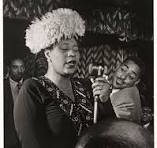
When people speak about jazz, they often think of smoky clubs, swinging rhythms, and breathtaking improvisation. But jazz is much more than music. It’s a story of survival, identity, and freedom — born from the African American experience and carried to the world as a universal language of resilience.
🌱 From Roots to Rhythm
Jazz emerged in the early 20th century in New Orleans, a city alive with cultural fusion. Enslaved Africans had already preserved rhythms and traditions through gatherings in Congo Square, where drumming, dancing, and call-and-response kept ancestral connections alive despite oppression.
As these traditions mixed with blues, ragtime, and gospel, something new took shape — a genre that celebrated freedom through sound. Improvisation became its heartbeat: musicians breaking away from rigid structures, telling their stories note by note.
🎺 Legends Who Shaped the Sound
Louis Armstrong, born in New Orleans, transformed jazz with his bold trumpet playing and gravelly, joyful voice. He turned improvisation into art, proving that individuality and creativity could shine even in a segregated world. Armstrong’s music wasn’t just entertainment — it was liberation in sound.
Ella Fitzgerald, “The First Lady of Song,” showed the world the limitless possibilities of the human voice. Her scat singing blurred the line between instrument and singer, weaving playfulness, technique, and emotion into every performance. Fitzgerald embodied resilience — rising from a difficult childhood to become one of the most celebrated voices in history.
Together, these legends carried jazz into mainstream culture, while staying rooted in the spirit of African American creativity and defiance.
✊🏾 Jazz as Freedom
At its core, jazz was about reclaiming space. For African Americans living under segregation and racism, jazz clubs became safe havens — places where artistry could challenge stereotypes, and music could shout what society tried to silence.
Improvisation itself was an act of freedom: breaking away from the written page, inventing on the spot, daring to take risks. Each solo was a declaration: we will not be confined.
🌍 The Legacy Lives On
Today, jazz continues to inspire musicians across genres and continents. From London’s thriving jazz scene to Afro-jazz movements in South Africa, the music’s essence remains the same: creativity, resilience, and joy in the face of struggle.
Jazz is more than a genre — it’s a testimony. It reminds us that beauty can grow from pain, and that freedom is worth fighting for, whether with words, actions, or a soaring trumpet solo.
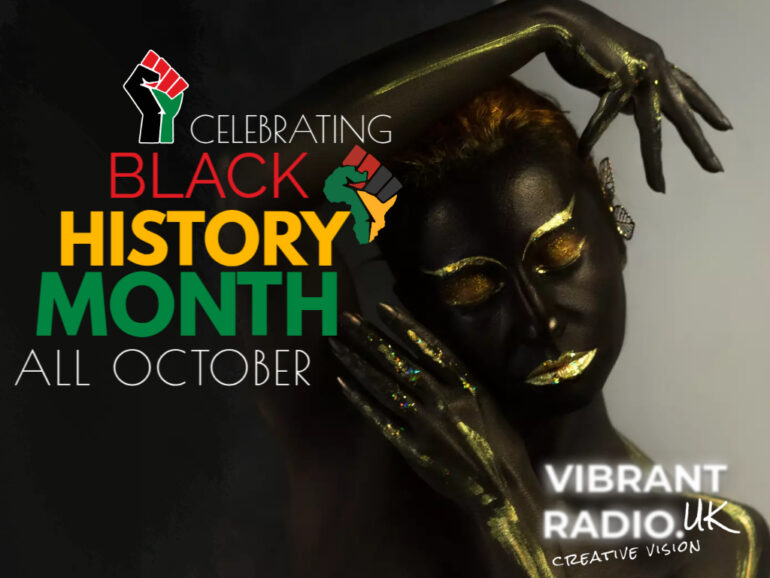
💡 For Vibrant Radio Listeners: This Black History Month, we’ll be celebrating jazz’s legacy with special broadcasts. Which jazz artist inspires you most — and why? Share your thoughts with us on-air or @VibrantRadio, and let’s honour the sound of freedom together.
Top popular

Breaking: Top Pop Star’s Surprise Album Release Sends Fans into Frenzy
Chart-Toppers Unite: Pop Music’s Biggest Collaborations of the Year
Behind the Scenes: Pop Music’s Hottest Producers and Songwriters

The Rise of K-Pop: How Korean Music Continues to Dominate the Global Scene

Welcome to “Queen of the Stage” – Your Ultimate Blog for Spice
Post comments (0)