Listeners:
Top listeners:
-
play_arrow
Vibrant Radio
-
 play_arrow
Summer Festival Podcast Robot Heart

Spotlight: Leela James-Keeping Real Soul Music Alive
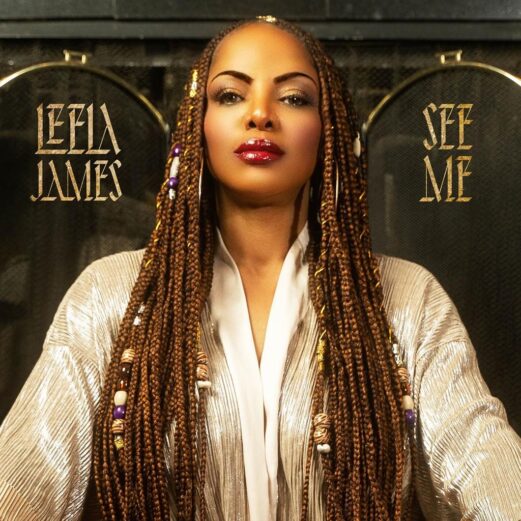
For nearly two decades, Leela James has carried the spirit of classic soul music into modern R&B without losing the raw emotion that made soul music powerful in the first place. While much of the music industry moved toward polished pop production and streaming-era formulas, she stayed rooted in honest vocals, live instrumentation, emotional storytelling, and the gritty authenticity that defined legends before her.
Early Life and Influences
Born Alechia Janeice Campbell in Los Angeles, California, Leela James grew up surrounded by soul music. Artists like Aretha Franklin, Marvin Gaye, Gladys Knight, Donny Hathaway, James Brown, and Etta James shaped her musical identity early on.
Unlike many singers who enter the industry through talent competitions or viral moments, Leela’s rise came through years of persistence. She studied music, worked on demos, performed relentlessly, and slowly built industry attention through live performances and collaborations.
Before releasing her own albums, she appeared on soundtracks and toured alongside respected artists including Macy Gray and the Black Eyed Peas. Even then, her voice stood apart — raw, emotional, and unmistakably soulful.
A Different Kind of Artist in the 2000s
When Leela James released her debut album A Change Is Gonna Come in 2005, mainstream R&B was dominated by highly polished production, club records, and crossover pop hits. Her music felt intentionally different.
The album blended old-school soul influences with contemporary production and featured collaborations with artists and producers like Raphael Saadiq, Kanye West, and Wyclef Jean. Critics praised the project for its authenticity and emotional depth.
What made Leela unique was that she never seemed interested in fitting neatly into commercial trends. Her music sounded closer to the emotional intensity of classic soul records than the radio formulas dominating the charts at the time.
That decision may have limited mainstream superstardom, but it also earned her something more durable: respect.
The “Goddaughter of Soul”
Leela James has often been referred to as the “Goddaughter of Soul,” a nickname connected to her deep ties to traditional soul music and the name given to her by the late legendary James Brown
Over the years, she became known as a singer’s singer — an artist admired not only by fans, but by musicians and vocalists themselves. Her performances consistently showcased emotional honesty over technical perfection, something increasingly rare in modern R&B.
One of the clearest examples of her connection to soul history came after the passing of Etta James. Leela released tribute work honouring Etta’s influence, reinforcing her role as an artist carrying forward a classic soul lineage rather than simply borrowing from it.
Building a Loyal Audience
Although Leela James never became a massive pop celebrity, she steadily built a loyal audience through touring, adult R&B radio, soul festivals, and word-of-mouth support from dedicated music fans.
In many ways, her career reflects the path of classic soul artists more than modern pop stars. Consistency, live performance, and emotional connection became more important than viral moments.
That steady approach eventually paid off commercially as well. Songs like “Don’t Want You Back” and “Complicated” became major Adult R&B hits, with “Complicated” reaching the top of Billboard’s Adult R&B Airplay chart.
The success of those records introduced her music to a younger generation discovering authentic soul-inspired R&B.
Why Leela James Still Matters Today
In an era where music trends change almost weekly, Leela James remains important because she represents continuity.
Her music connects modern listeners to the emotional foundation of soul music — vulnerability, storytelling, pain, resilience, and passion.
She has continued releasing albums independently while maintaining artistic control and staying true to her sound. Projects like See Me and Thought U Knew show an artist evolving with modern production while never abandoning the emotional honesty that defines her music.
More than twenty years into her career, Leela James still stands as one of contemporary R&B’s most authentic voices.
Final Thoughts
Leela James may not always dominate mainstream headlines, but her influence and respect within soul and R&B circles continue to grow.
She represents a rare kind of artist — one who values substance over trends and emotional truth over commercial formulas.
For listeners searching for modern music with the depth, warmth, and spirit of classic soul, Leela James remains essential listening.
And perhaps that is exactly why her music continues to endure.

Top popular

Breaking: Top Pop Star’s Surprise Album Release Sends Fans into Frenzy
Chart-Toppers Unite: Pop Music’s Biggest Collaborations of the Year
Behind the Scenes: Pop Music’s Hottest Producers and Songwriters
The Rise of K-Pop: How Korean Music Continues to Dominate the Global Scene

Welcome to “Queen of the Stage” – Your Ultimate Blog for Spice
Post comments (0)