

Listeners:
Top listeners:
00:00
00:00
volume_up
chevron_left
-
play_arrow
Vibrant Radio
-
 play_arrow
Summer Festival Podcast Robot Heart
-
 play_arrow
Electronic Trends Podcast Aaron Mills
-
 play_arrow
New Year Eve Podcast Robot Heart
-
 play_arrow
ADE podcast Robot Heart
Notting Hill Carnival at 60: Six Decades of Rhythm, Resistance, and Joy
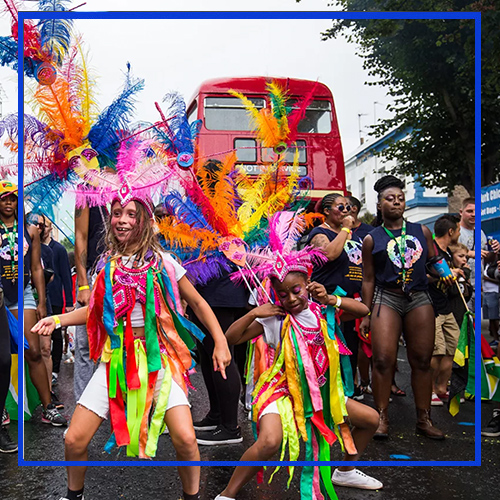
Diamond Jubilee Special Edition — 2026
🎉 Introduction: A Diamond Jubilee of Culture
This year, Notting Hill Carnival turns 60 — a magnificent diamond jubilee. What began in 1959 as a small gathering born from resilience and community spirit has grown into the second-largest street festival in the world, attracting over two million revellers each year to the streets of West London. More than just a party, it is a living, beating heart of Caribbean culture, a symbol of unity, and a testament to how music, dance, and pride can transform a community and a nation.
🕰️ How It All Began: The Roots
The story starts in 1959, against a backdrop of racial tension and hardship. The previous year had seen the Notting Hill race riots, where the newly arrived Caribbean community faced hostility and violence.
In response, a group of visionary activists, artists, and community leaders came together to build something different: a celebration of culture that would replace fear with joy, and division with pride.
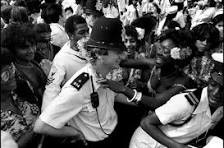
The Founders
- Claudia Jones (1915–1964): Often called the “Mother of Caribbean Carnival in the UK.” A Trinidadian-born journalist and activist, she believed deeply that “a people’s art is the genesis of their freedom.” She organised the first indoor Caribbean Carnival at St Pancras Town Hall in January 1959, televised by the BBC.
- Rhaune Laslett (1919–2002): A community organiser who helped bring the celebration outdoors. In 1966, she worked with steelpan musicians to stage the first street festival in Notting Hill, drawing crowds of thousands and laying the path for the Carnival we know today.
- Steelpan pioneers: Bands like the London All Stars Steel Orchestra brought the unmistakable sound of the Caribbean to London’s streets, becoming the musical backbone of the festival from its earliest days.
Through the 1970s, the Carnival grew into a powerful expression of Black pride and community resistance. It faced police restrictions, funding shortages, and negative media stereotypes — yet every August, the community turned out, louder and more colourful than before.
📅 Six Decades in Time: Key Milestones
| Decade | Highlights |
|---|---|
| 1950s–60s | 1959: First indoor carnival; 1966: First street parade; steelpans lead the way |
| 1970s | Reggae and sound systems join the scene; Carnival becomes a voice for racial justice; attendance passes 100,000 |
| 1980s–90s | Soca takes centre stage; mas bands grow larger and more elaborate; the Carnival becomes a beloved London institution |
| 2000s–2010s | Global recognition; record crowds; new generations keep traditions alive |
| 2020s | Resilience through pandemic-era changes; 2026: The 60th Diamond Jubilee |
🎶 Sounds of the Carnival: Where the Music Hits Hardest
If you ask anyone who’s been coming to Carnival for years where the real heart of the party beats, many will tell you the same place: Powis Square. That was always the spot in the 80s — our spot. Standing there, surrounded by friends, with Saxon Sound blasting from the speakers — pure magic. Saxon wasn’t just a sound system; they were the soundtrack to so many Carnival memories, the voice that rang out across the square year after year.
And then there was “The Cage” — that legendary spot we all knew, where Mastermind Sound held court. You remember it — the place, the energy, the crowd packed in tight, the bass shaking the ground. We all called it the Cage, even if none of us could quite put a name to the exact road it stood on. We didn’t need to — you just knew where it was.
You followed the bass, turned the corner, and there it was: Mastermind, loud and proud, keeping the vibe alive, just a short walk from Powis Square.
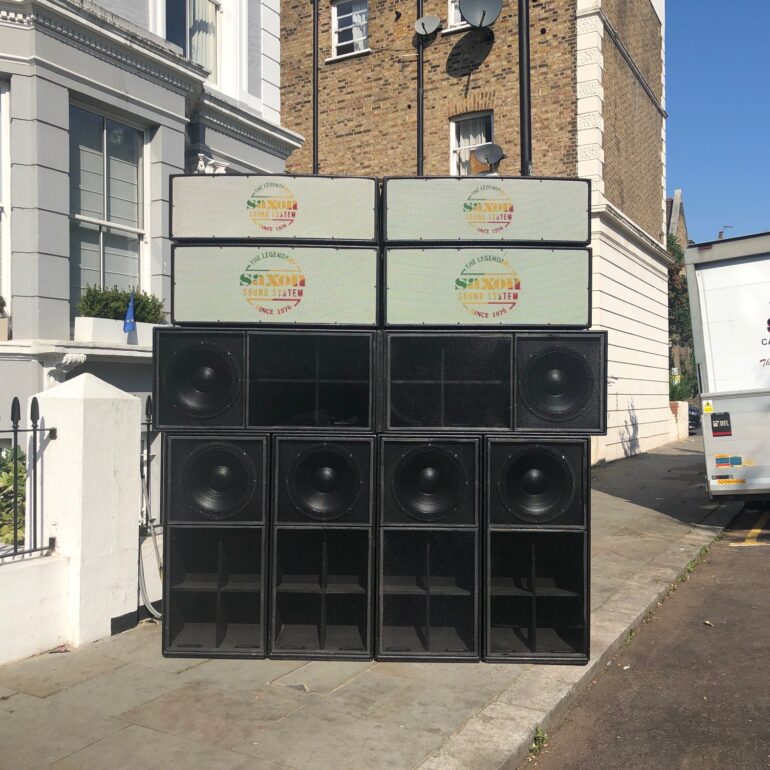
Those two places — Powis Square with Saxon, and the Cage with Mastermind — were where so many of us hung out, laughed, danced, and made memories that have lasted a lifetime.
The road names might fade a little after 60 years, but the sound, the feeling, and the people — those never leave you.
(For anyone wondering: the Cage stood on Tavistock Crescent, right at the corner by Powis Square — easy to find, impossible to forget!)
💎 The 60th Anniversary — 2026 Celebrations
This year’s celebrations carry the theme “Resilience, Heritage, and Future” — honouring the journey, celebrating the present, and inspiring the next 60 years.
What’s Special in 2026:
- ✨ Diamond Jubilee Exhibition: A showcase of 60 years of costumes, photographs, posters, and memories — tracing every step from 1959 to today.
- ✨ Tribute to Legends: Special performances honouring the pioneers, musicians, mas leaders — and the legendary sound systems like Saxon and Mastermind — who built the Carnival we love.
- ✨ Grand Jubilee Parade: The traditional Monday parade will be larger than ever, with mas bands and steelpan orchestras coming together in a historic display.
- ✨ Youth Legacy Projects: Young people leading new artworks, music, and initiatives — ensuring the Carnival remains vibrant and relevant.
- ✨ Community Spirit: Local schools, churches, and neighbourhood groups joining in to mark the milestone together.
Official Dates: Saturday 29 August – Monday 31 August 2026
Children’s Day & Family Zone: Sunday | Main Parade: Monday
❤️ Why 60 Years Matters
A diamond jubilee is rare — and so is this festival. At 60, Notting Hill Carnival is far more than music and costumes. It is:
- A living legacy of the Windrush generation, who brought their culture across the ocean and planted it in London’s soil
- A testament to resilience — built in hard times, opposed at first, yet surviving and thriving
- A celebration of London’s true identity — diverse, creative, and united in joy
- A promise that culture can be an act of resistance, that art can bring people together, and that every voice deserves to be heard
- A collection of moments and places — Powis Square, the Cage, a hundred street corners — where ordinary people came together to make something extraordinary
Claudia Jones famously said: 
We create our own history. We write our own pages. We carve our own names on the walls of time.
For 60 years, this community has done exactly that — one parade, one song, one costume, one sound system, and one joyful August at a time. Whether you were in Powis Square listening to Saxon, or over at the Cage with Mastermind, you were part of that history.
🎊 The Road Ahead
As we celebrate 60 incredible years, we look back with gratitude — to every founder, volunteer, musician, dancer, cook, and sound system operator who kept the flame alive. And we look forward with hope: that the drums will keep beating, the steelpan’s will keep ringing, and the streets of Notting Hill will keep dancing for 60 more years, and then 60 more after that.
Thank you to everyone who has been part of the journey. And to all of us who remember Powis Square and the Cage — those were the days. Long may they roll.
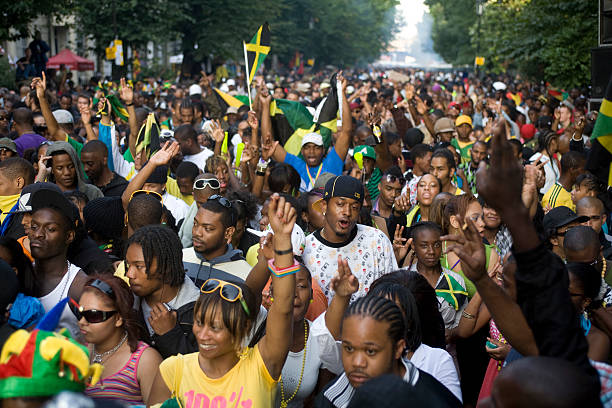
See you on the road! 🎉
-
Top popular

Breaking: Top Pop Star’s Surprise Album Release Sends Fans into Frenzy
Chart-Toppers Unite: Pop Music’s Biggest Collaborations of the Year
Behind the Scenes: Pop Music’s Hottest Producers and Songwriters

The Rise of K-Pop: How Korean Music Continues to Dominate the Global Scene

Welcome to “Queen of the Stage” – Your Ultimate Blog for Spice
Post comments (0)