Listeners:
Top listeners:
-
play_arrow
Vibrant Radio
-
 play_arrow
Summer Festival Podcast Robot Heart

🎙️ Lights, Mic, Action: TV, Radio & Entertainment in Black History Month
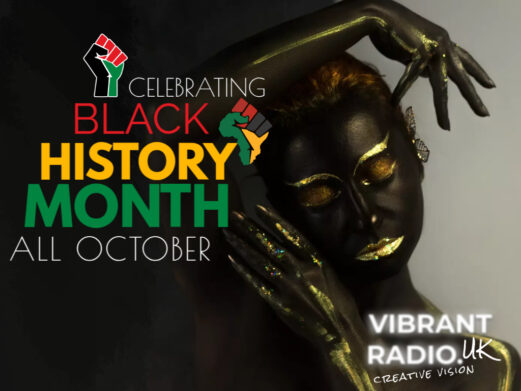
Standing Firm in Power and Pride
Entertainment has always been more than performance — it’s a platform for pride, protest, and progress.
From the early days of radio to the bright lights of television, Black creativity has transformed how Britain listens, watches, and connects.
This Black History Month, Vibrant Radio celebrates the broadcasters, artists, and storytellers who used their voices and talent to change the nation’s cultural rhythm — forever.
🎧 The Golden Age of Black British Radio
Before podcasts, before streaming — there was radio.
And for Black communities, radio became a lifeline. It carried music from home, messages of unity, and a sound that spoke directly to the soul.
Radio Royalty: The DJs Who Gave Britain Its Soul
Before the days of streaming and digital playlists, the heartbeat of Black British culture pulsed through the airwaves.
For generations, Sunday afternoons, Saturday nights, and late drives home were sound tracked by voices that educated, inspired, and united a community.
In the 1970s and 80s, a new sound emerged on the UK’s airwaves — soul, reggae, and funk — music that reflected a proud, growing Black British identity.
Broadcasters like Tony Williams, Greg Edwards, and David Rodigan became household names, pioneering the movement that brought Black music to the mainstream.
🎶 Tony Williams: The Original Reggae Rocker
Tony Williams, a true pioneer of Black British radio, was one of the first to bring reggae and soul to national attention, helping shape BBC Radio London’s sound.
His weekly Sunday afternoon show, “Reggae Rockers,” became a household ritual — the moment when families gathered in kitchens across London, rice ’n’ peas simmering, as the latest sounds of the Caribbean filled the air.
From Gregory Isaacs to Dennis Brown, from lovers rock to roots reggae, Tony brought the islands to the inner city. His calm voice, deep knowledge, and natural warmth made him part of the family.
For many, “Reggae Rockers” wasn’t just about music — it was about belonging.
Tony gave his listeners more than songs; he gave them a sense of pride and connection at a time when Black British culture was still fighting for space on national radio.
💡 Did You Know?
Before “world music” was even a term, Tony Williams was already doing it — blending reggae, soul, and R&B long before mainstream stations realised the power of Caribbean sound.
🎵 Greg Edwards: The Gentleman of Soul
When Greg Edwards hit the airwaves with his iconic “Soul Spectrum” show on Capital Radio, Britain began to move differently.
Every Saturday night, the nation tuned in for smooth grooves, funk rhythms, and a voice that oozed warmth and class.
Greg’s deep respect for soul and funk music helped introduce British audiences to the likes of Marvin Gaye, Aretha Franklin, Earth, Wind & Fire, and Chic — artists who would become household names thanks in part to his devotion.
For Black listeners, “Soul Spectrum” was more than a playlist — it was representation, dignity, and joy.
For others, it was discovery. Greg brought communities together through music that celebrated unity and upliftment.
🎙️ Did You Know?
Greg’s Saturday Night Dance Party segments became so legendary that people recorded them on cassette to replay during the week.
His sets were more than mixes — they were memories in motion.
🎚️ David Rodigan: The Reggae Ambassador
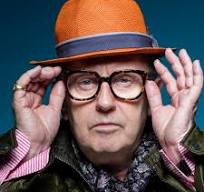
Few broadcasters have earned the universal love and respect that David Rodigan commands.
From the moment he stepped onto the scene in the late 1970s, his boundless energy and encyclopedic knowledge of reggae made him a trusted voice across communities.
Listeners adored his passion and authenticity — so much so that, for years, many believed Rodigan was Black.
His accent, tone, and deep cultural understanding reflected the spirit of the Caribbean with such sincerity that it transcended colour and background.
From Capital Radio to KISS FM and the BBC, Rodigan became a household name — clashing with Jamaican legends on stage, championing new artists, and amplifying reggae’s message of unity and resistance.
💡 Did You Know?
Rodigan once faced off in a legendary sound clash in Jamaica’s National Arena — and won. He’s since been awarded an MBE for his contribution to broadcasting and to reggae culture worldwide. For David Rodigan, music was never about fame — it was about respect. And in return, he earned it from the world.
📻 Legacy on the Airwaves
Tony Williams, Greg Edwards, and David Rodigan didn’t just play records — they built bridges.
They transformed British radio from a one-note institution into a symphony of cultures, voices, and sounds.
They made Sunday afternoons sacred, Saturday nights electric, and weekday commutes joyful.
They gave us the soundtrack of our lives — and in doing so, gave a voice to Black Britain.
Today, as Vibrant Radio carries that legacy forward, we celebrate these pioneers who stood firm in power and pride — turning up the volume on culture, community, and connection.
🎧 Their frequencies may have changed, but their influence will always echo.
📡 Where Culture Lived and Grew
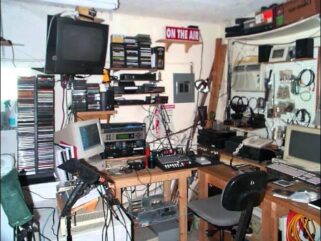
Pirate radio stations weren’t just about music — they were about connection.
They gave Black Britons a sense of community when they were often excluded from mainstream narratives.
These stations:
-
Promoted local sound systems and independent artists.
-
Discussed race, housing, and politics openly.
-
Offered comfort to late-night workers and immigrants missing home.
-
Shaped the roots of genres like grime, jungle, and UK garage.
When KISS FM and Choice FM eventually gained legal status in the late 1980s and early 1990s, they didn’t just legitimize the sound — they legitimized the culture.
They were living proof that what began as a movement in the shadows had changed British broadcasting forever.
💡 Did You Know?
Many of today’s biggest radio presenters — including Trevor Nelson, Jazzie B, and even Tim Westwood — cut their teeth on pirate radio. Those illegal frequencies were classrooms for creativity and resilience.
🎬 Film: Telling Our Stories Our Way
Black filmmakers have used the screen as a stage for truth.
From John Akomfrah’s pioneering documentaries to Steve McQueen’s award-winning 12 Years a Slave and Small Axe series, Black cinema in Britain and beyond has redefined storytelling with depth and purpose.
In Hollywood, directors like Ava DuVernay, Ryan Coogler , and Jordan Peele continue to challenge stereotypes and showcase Black excellence.
Films like Selma, Black Panther, and Get Out don’t just entertain — they spark conversation, pride, and global recognition of Black creativity.
📺 Television: Changing the Face of Representation
Television is a mirror — and for too long, it failed to reflect the full face of Britain. But from the late 1970s onward, Black creators and actors began changing that.
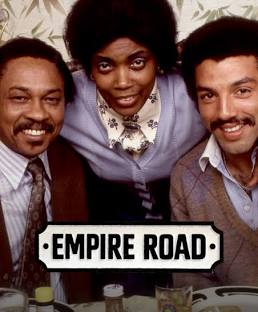
In 1978, Empire Road became the first British TV drama series with a predominantly Black cast. Created by Michael Abbensetts, it told authentic stories of multicultural Birmingham life, starring icons like Norman Beaton and Corinne Skinner-Carter.
It was described as “the soap opera Black Britain has been waiting for” — a milestone that paved the way for later shows.
Then came classics like Desmond’s, No Problem!, and The Real McCoy, bringing humour, love, and real Black British life to primetime TV.
Modern hits like Small Axe, Top Boy, and I May Destroy You continue the legacy — proving that representation isn’t just visibility; it’s truth-telling.
📺 Did You Know?
When Empire Road aired, it was so ground-breaking that it inspired entire new generations of Black writers and performers — including Sir Lenny Henry and later Michaela Coel.
🎤 Music & Entertainment: The Beat of Liberation
From the pulsating reggae of the 70s to the grime and Afrobeats of today, music has always been a vehicle for empowerment and identity.
The Windrush Generation brought calypso, ska, and reggae — music that became the heartbeat of post-war Britain.
In the decades that followed, genres like soul, R&B, hip-hop, and grime reflected the changing face of British Black culture.
Artists like Soul II Soul, Loose Ends, Ms. Dynamite, Stormzy, Beverley Knight, Mica Paris, and Little Simz carried the message forward — their art amplifying power, purpose, and pride.
💡 Why Representation Matters
Radio and television are more than entertainment — they’re tools of transformation.
Every time a Black voice hit the airwaves, or a Black face appeared on screen, it shifted the national conversation.
It said: We’re here. We matter. We belong.
From Tony Williams’ reggae rockers to Greg Edwards soul spectrum, from Empire Road’s realism to Stormzy’s stadium roar, each step forward has been a reminder that representation is not a gift — it’s a right.
✊🏾 Vibrant Radio: Continuing the Legacy
As we celebrate Black History Month 2025, Vibrant Radio continues the mission these pioneers began — using sound, story, and song to uplift and unite.
Tune in. Turn up. Stand firm in power and pride. Because when the mic is in our hands, the whole world listens.
Top popular

Breaking: Top Pop Star’s Surprise Album Release Sends Fans into Frenzy
Chart-Toppers Unite: Pop Music’s Biggest Collaborations of the Year
Behind the Scenes: Pop Music’s Hottest Producers and Songwriters
The Rise of K-Pop: How Korean Music Continues to Dominate the Global Scene

Welcome to “Queen of the Stage” – Your Ultimate Blog for Spice

Post comments (0)