Listeners:
Top listeners:
-
play_arrow
Vibrant Radio
-
 play_arrow
Summer Festival Podcast Robot Heart

🎶 Protest Music: From Billie Holiday to Beyoncé
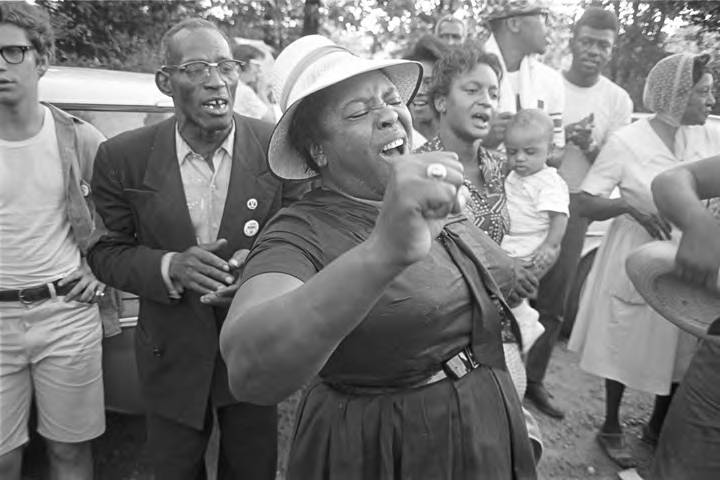
When words weren’t enough, music carried the message. From smoky jazz clubs to global stadiums, Black artists have long used their voices to call out injustice, inspire hope, and demand change. Protest music isn’t just about melody — it’s about survival, resistance, and freedom.
The Early Voices: Singing Against Silence
In 1939, Billie Holiday performed Strange Fruit, a haunting song about the horror of lynching. With just her voice and minimal accompaniment, Holiday painted a chilling picture of racial violence in America. It was risky — many radio stations refused to play it — but it sparked conversations the country couldn’t ignore.
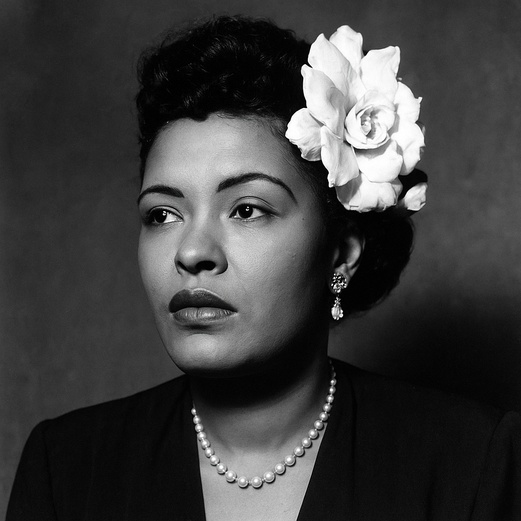
Nina Simone continued that tradition. Her 1964 anthem Mississippi Goddam was written in anger after the murder of Medgar Evers and the bombing of a Birmingham church that killed four little girls. Simone said, “An artist’s duty is to reflect the times,” and her music became a weapon of truth.
The Movement Years: Soundtracks of Resistance
In the 1960s and 70s, soul and funk became rallying cries. James Brown’s Say It Loud – I’m Black and I’m Proud gave a generation a chant of empowerment. Gil Scott-Heron’s spoken-word piece The Revolution Will Not Be Televised warned that liberation couldn’t be commodified or passively consumed — it had to be lived.
Music became the heartbeat of the civil rights and Black Power movements, uniting marches, rallies, and communities.
Hip Hop and the Power of the Mic
By the 1980s and 90s, hip hop had emerged as the new protest platform. Public Enemy’s Fight the Power challenged systemic racism and became the anthem of Spike Lee’s Do the Right Thing. Tupac Shakur rapped about poverty, police brutality, and resilience, making pain and struggle impossible to ignore.
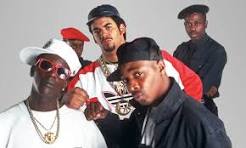
Hip hop turned street corners into classrooms and record players into megaphones for truth.
Modern Voices: The Fight Continues
Today, protest music still thrives. Beyoncé’s Formation celebrates Black culture and calls out systemic racism, while Kendrick Lamar’s Alright has become a rallying cry for Black Lives Matter protests. Childish Gambino’s This Is America visually and lyrically captures the chaos of modern racial politics, blending satire with rage.
These songs prove that the legacy of protest music is alive, evolving, and necessary.
Why Protest Music Matters
Protest music has never been just entertainment — it’s a lifeline. It gives voice to the voiceless, tells stories that history books ignore, and unites communities in struggle and hope. From Billie Holiday’s trembling voice to Kendrick Lamar’s sharp verses, protest music reminds us that resistance is rhythm, and freedom has a beat.
💡 Engagement Prompt for Vibrant Radio Listeners:
Which protest song speaks to you most — and why? Share your thoughts with us on social media or call in during our Black History Month special. Let’s build a community playlist of resistance and resilience.
Top popular

Breaking: Top Pop Star’s Surprise Album Release Sends Fans into Frenzy
Chart-Toppers Unite: Pop Music’s Biggest Collaborations of the Year
Behind the Scenes: Pop Music’s Hottest Producers and Songwriters
The Rise of K-Pop: How Korean Music Continues to Dominate the Global Scene

Welcome to “Queen of the Stage” – Your Ultimate Blog for Spice

Post comments (0)