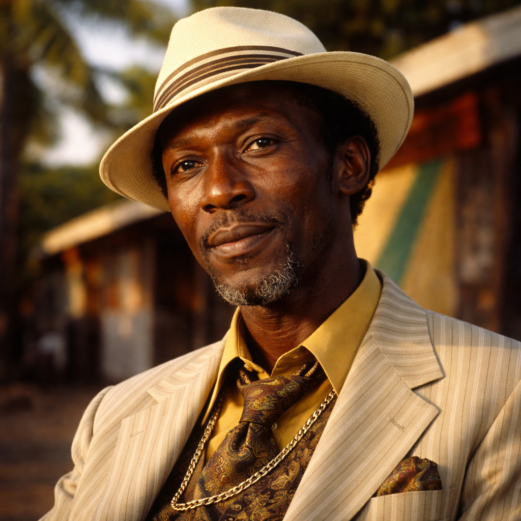
Portrait of a Legend

Portrait of a legend: Alton Ellis

today25 March 2026 5

Background
share close

The career of Alton Ellis is one of the most important in Jamaican music history—he didn’t just succeed within a genre, he helped create one.


Early Years & Ska Beginnings (late 1950s–mid 1960s)

Ellis started out in the late 1950s, originally performing in a duo with Eddie Perkins. Their early work leaned into ska, the fast, upbeat sound that dominated Jamaica at the time.

He later formed a group called The Flames, working with producer Coxsone Dodd at the legendary Studio One. During this period, Ellis began standing out—not just for his voice, but for his song writing. Even in the faster ska era, his songs carried more emotional depth than most.

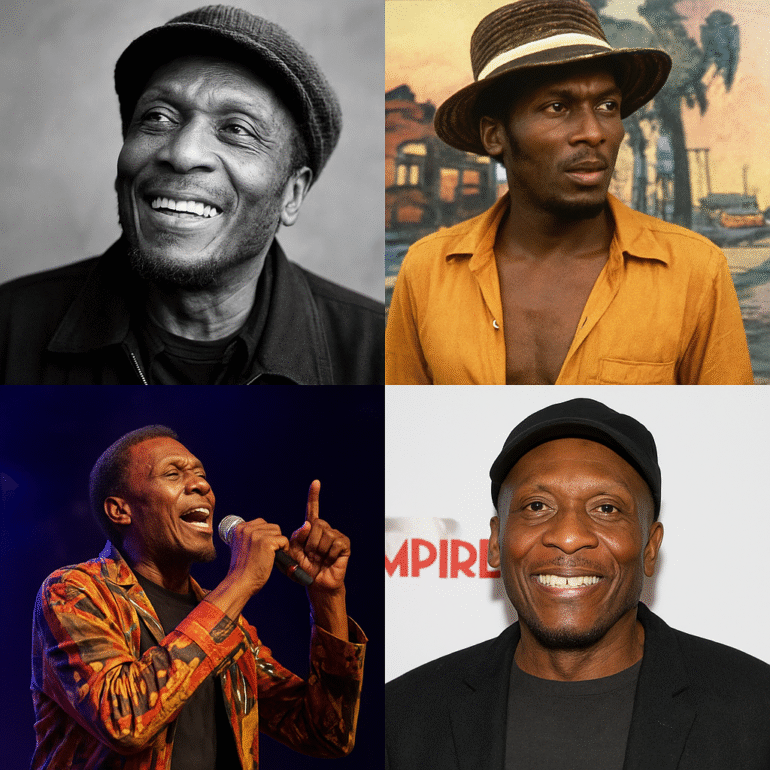
Birth of Rocksteady (mid–late 1960s)

Around 1966–1968, Jamaican music slowed down, evolving into rocksteady—and Ellis was at the centre of that shift.

His 1967 hit Rock Steady didn’t just ride the new sound—it helped define it. Because of this, he’s often called the “Godfather of Rocksteady.”

During this era, he released some of his most enduring songs:

  • I’m Still in Love with You
  • Girl I’ve Got a Date
  • Breaking Up

These tracks blended romance, heartbreak, and social awareness with a slower, groove-heavy rhythm. His voice—smooth, soulful, and restrained—became the emotional template for the genre.


Transition into Reggae (1970s)

As reggae emerged from rocksteady, Ellis adapted naturally. His style already leaned into deeper emotion and slower tempos, so the transition felt seamless.

He continued recording and performing, working with top producers and maintaining relevance even as the sound evolved. While artists like Bob Marley brought reggae global attention, Ellis remained a respected figure within the roots of the movement.


International Career & Later Years (1980s–2000s)

Ellis eventually moved to the UK, where he built a strong following—especially within London’s reggae scene. He kept performing internationally, gaining recognition from new generations of fans and artists.

His influence extended into later genres like lovers rock and even modern reggae revival movements. Many artists sampled or reinterpreted his work, keeping his legacy alive.

In 2004, he was awarded the Order of Distinction by the Jamaican government for his contribution to music.


🎵 Best Albums & Essential Listening

Ellis wasn’t always an “album artist” in the modern sense—Jamaican music in the 60s was very singles-driven—but several collections capture his peak:

1. Mr. Soul of Jamaica (1967)

This is core Ellis. Recorded at Studio One with Coxsone Dodd, it blends late ska with early rocksteady.

  • Key feel: transition, experimentation
  • Why it matters: shows him shaping a new sound in real time

2. Sings Rock and Soul (late 60s compilations)

A collection-style release, but packed with defining tracks like:

  • Rock Steady
  • Girl I’ve Got a Date
  • Key feel: smooth, romantic, groove-heavy
  • Why it matters: this is the blueprint for rocksteady vocals

3. Sunday Coming (1971)

A shift toward reggae, but still deeply soulful.

  • Key feel: reflective, rootsy
  • Why it matters: shows how naturally he evolved with the music

4. Still in Love (later compilations/reissues)

Built around his most famous song:

  • I’m Still in Love with You
  • Key feel: timeless love songs
  • Why it matters: captures his emotional signature—gentle but powerful

🌍 His Influence on Modern Music

Ellis’s impact goes way beyond his era.

Foundation of Lovers Rock

His romantic, heartfelt style directly shaped UK-born lovers rock in the 1970s–80s. Artists in London essentially built on his template—soft vocals, love-focused lyrics, slower rhythms.


Influence on Reggae Icons

Even giants like Bob Marley followed a path Ellis helped lay:

  • Slowing down ska
  • Adding emotional and social depth
  • Centering the song over just the rhythm

 Sampling & Reinterpretation

His music has been versioned, covered, and sampled across decades:

  • Dancehall artists reused his melodies
  • Producers reworked his riddims
  • His song “I’m Still in Love With You” was famously reinterpreted by Sean Paul, bringing Ellis’s influence into the 2000s

UK Reggae Scene

After moving to the UK, Ellis became a cornerstone of the British reggae circuit, influencing generations of artists there. His presence helped bridge Jamaican roots music with diaspora culture.


🎶 Why Rocksteady Was Short—but So Important

rocksteady only lasted about 2–3 years (roughly 1966–1968), but its impact is massive.

1. The Slowdown Changed Everything

Rocksteady slowed the tempo of ska:

  • More space in the rhythm
  • Greater focus on basslines
  • Room for emotion in vocals

Ellis thrived here because his voice was built for feeling, not speed.


2. Birth of the “Singer’s Era”

Ska was energetic and band-driven.
Rocksteady became vocal-driven.

Artists like Ellis turned songs into emotional experiences—especially around love and relationships.


3. Direct Bridge to Reggae

Without rocksteady:

  • No deep bass culture
  • No laid-back groove
  • No roots reggae as we know it

Ellis sits right in that transition—he’s one of the voices that carried the music across.


4. Social Context

Jamaica in the late 60s was going through political and economic change. The slower, more reflective sound of rocksteady mirrored that shift—less celebration, more introspection.


🧭 The Big Picture

Alton Ellis wasn’t just successful—he was foundational.

  • He helped slow the music down
  • He made it more emotional
  • He influenced reggae, lovers rock, and beyond
  • And he proved that softness could be powerful

That’s why his work still resonates today—it doesn’t feel tied to a moment. It feels human.


Death & Legacy

Alton Ellis passed away in 2008, but his impact is lasting.

He is remembered as:

  • A foundational voice in Jamaican music
  • A pioneer who shaped the sound between ska and reggae
  • One of the greatest interpreters of love and heartbreak in Caribbean music

His songs still feel timeless because they rely on something simple but powerful: honesty.

Written by: Gary

Rate it

Post comments (0)

Leave a reply

Your email address will not be published. Required fields are marked *